Deep Learning · PLMs
Protein Binding Prediction
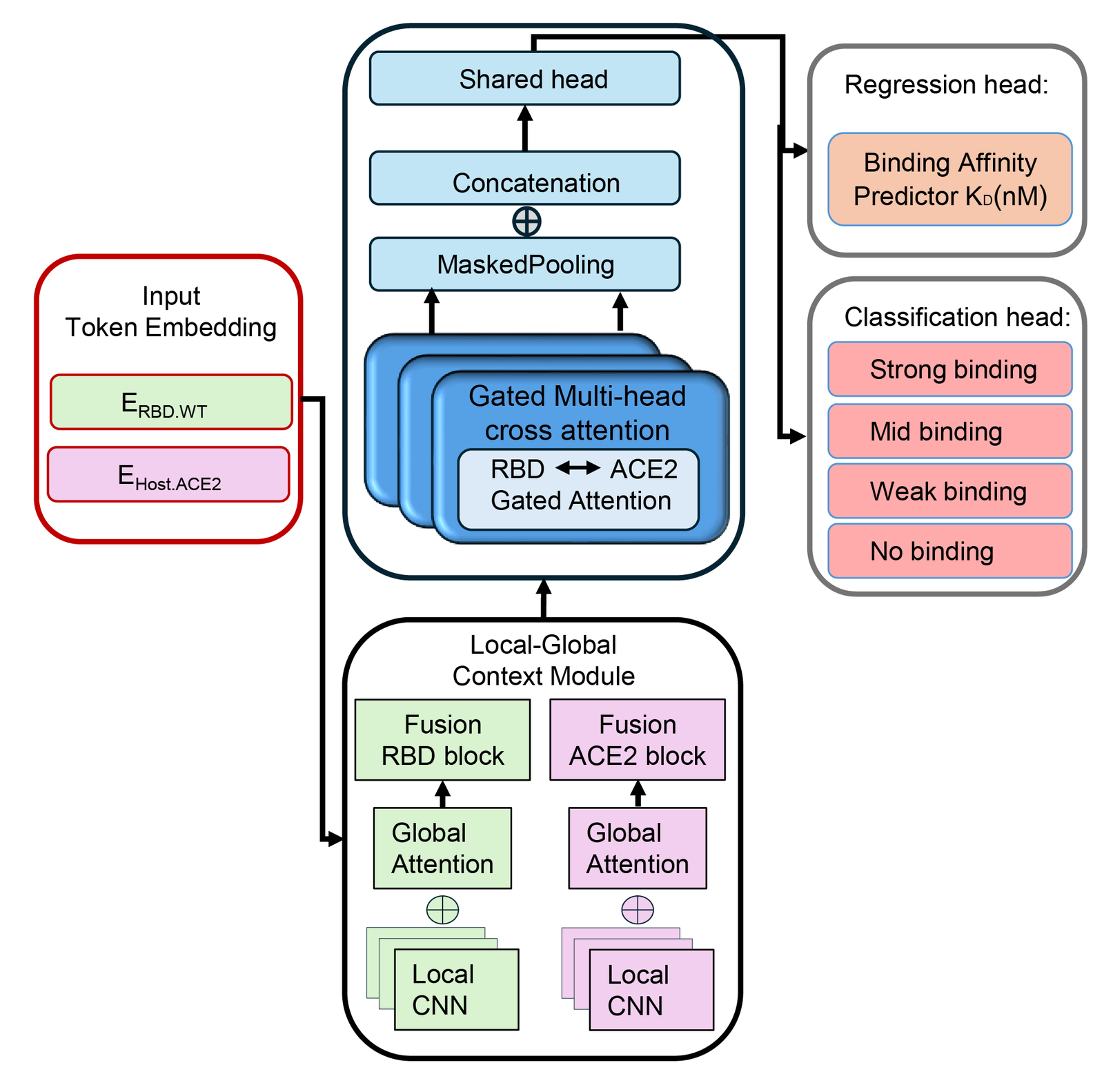
A multi-task framework using ESM-2 protein language models and transformer-based gated cross-attention to model residue-level viral–host interactions.
// computational biology · AI · virology
I develop AI-driven approaches and computational frameworks for protein interaction prediction, genomics and multi-omics data integration, antigenic and viral evolution, and infectious disease modeling.
 Mizzou · CS
01 — About
I am a Ph.D. candidate in Computer Science at the University of Missouri-Columbia. My research develops AI-driven computational methods for understanding and predicting complex biological systems, with research focused in viral evolution, infectious disease modeling, and large-scale biological discovery.
My work integrates protein language models, graph neural networks, multi-omics analysis, and genomic modeling to study protein interactions and pathogen evolution. Previously, I developed 3D deep learning models for medical image segmentation as an AI engineer.
02 — Research
Three threads — each pairing a hard biological question with a tailored ML method.
Deep Learning · PLMs
A multi-task framework using ESM-2 protein language models and transformer-based gated cross-attention to model residue-level viral–host interactions.
Graph Neural Networks
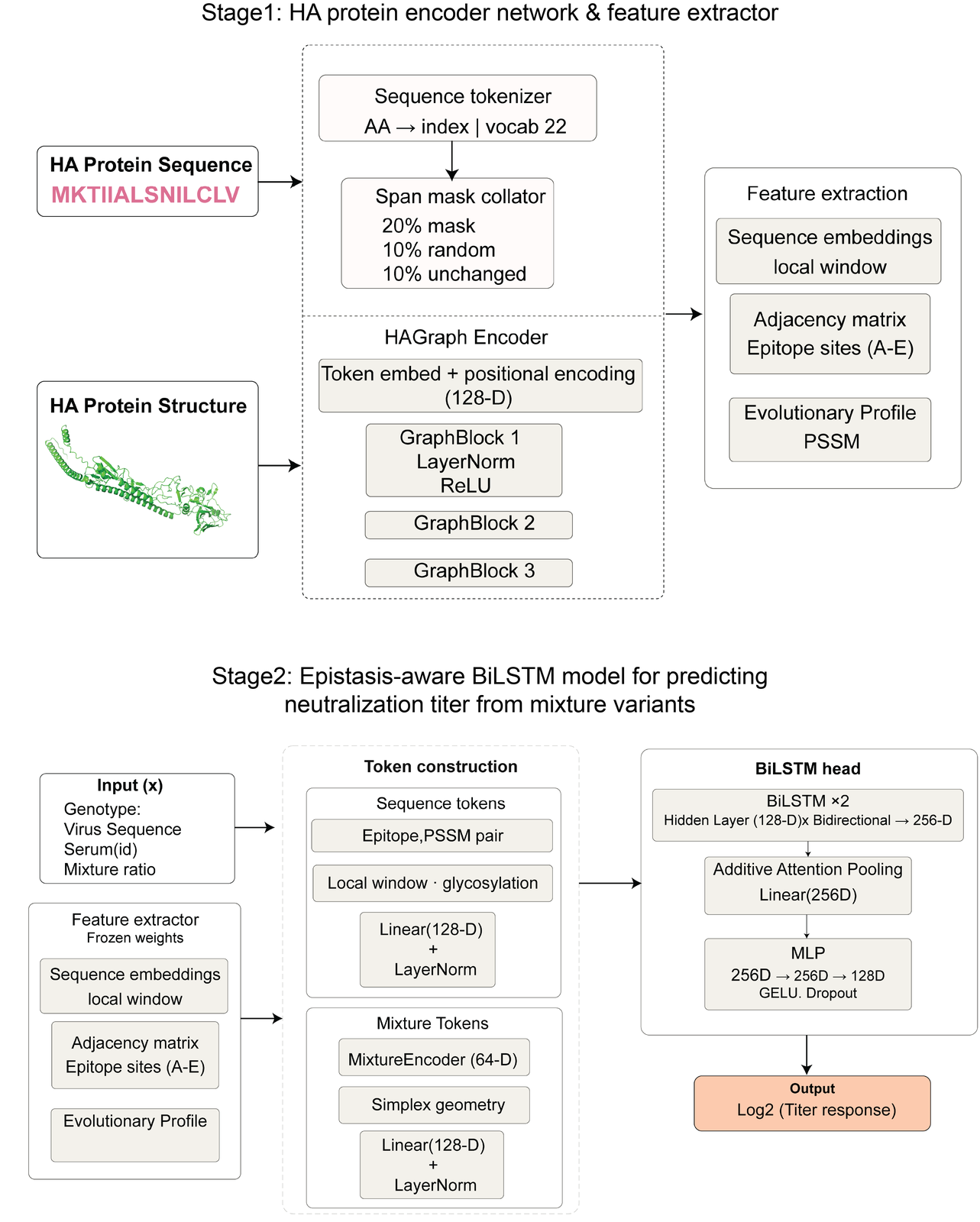
Graph neural networks that capture higher-order mutational interactions driving influenza antigenic evolution, enabling early detection of escape variants.
Genomics · Vaccines
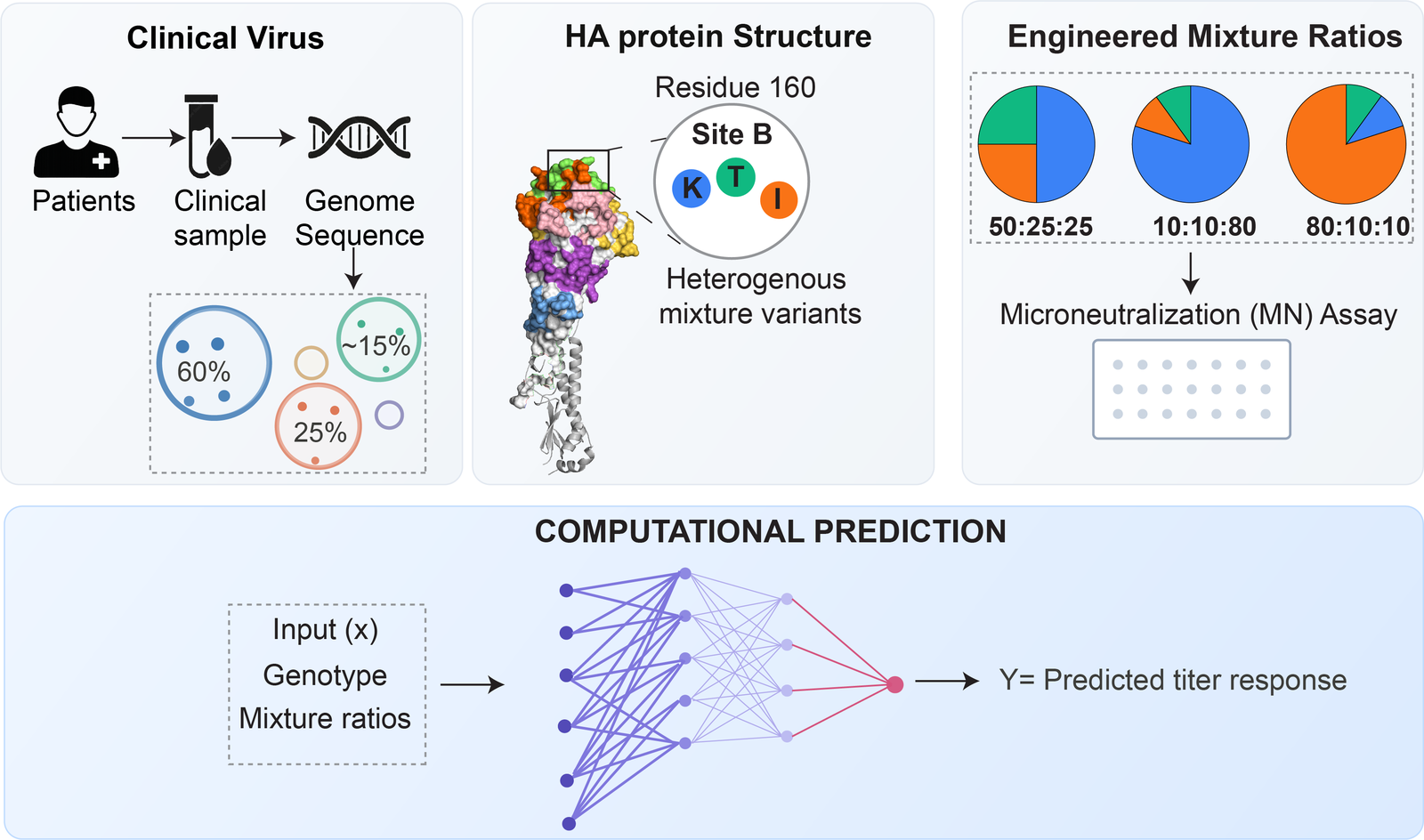
Large-scale polymorphism and entropy-based diversity analysis, integrated with scRNA-seq, to inform influenza vaccine breadth and durability.
Intrahost HA polymorphisms and culture adaptation shape antigenic profiles of H3N2 influenza viruses.
Epitope-spanning antigenic variation reprograms immunodominance and broadens immunity in sequential influenza vaccination.
Species- and variant-specific ACE2 compatibility shapes SARS-CoV-2 spillover potential in North American cervids.
Prediction models for COVID-19 disease outcomes.
04 — Path
Professional Experience
Aug 2022 – Present
University of Missouri-Columbia
Develop AI-driven computational methods for predictive modeling of viral evolution, host adaptation, antigenic phenotypes, and transmission risk through machine learning, protein modeling, and large-scale genomic analysis.
Feb 2020 – May 2022
PSP Corporation — Nepal
Developed advanced computer vision methods for voxel-level segmentation of medical DICOM images, enabling automated analysis of abdominal CT scans, kidney volumetrics, tumor detection, and lung lobe segmentation for clinical imaging applications.
Education
Aug 2022 – Present
University of Missouri-Columbia
2015 – 2020
Tribhuvan University, Nepal
GPA 3.5 / 4.0
05 — Recognition
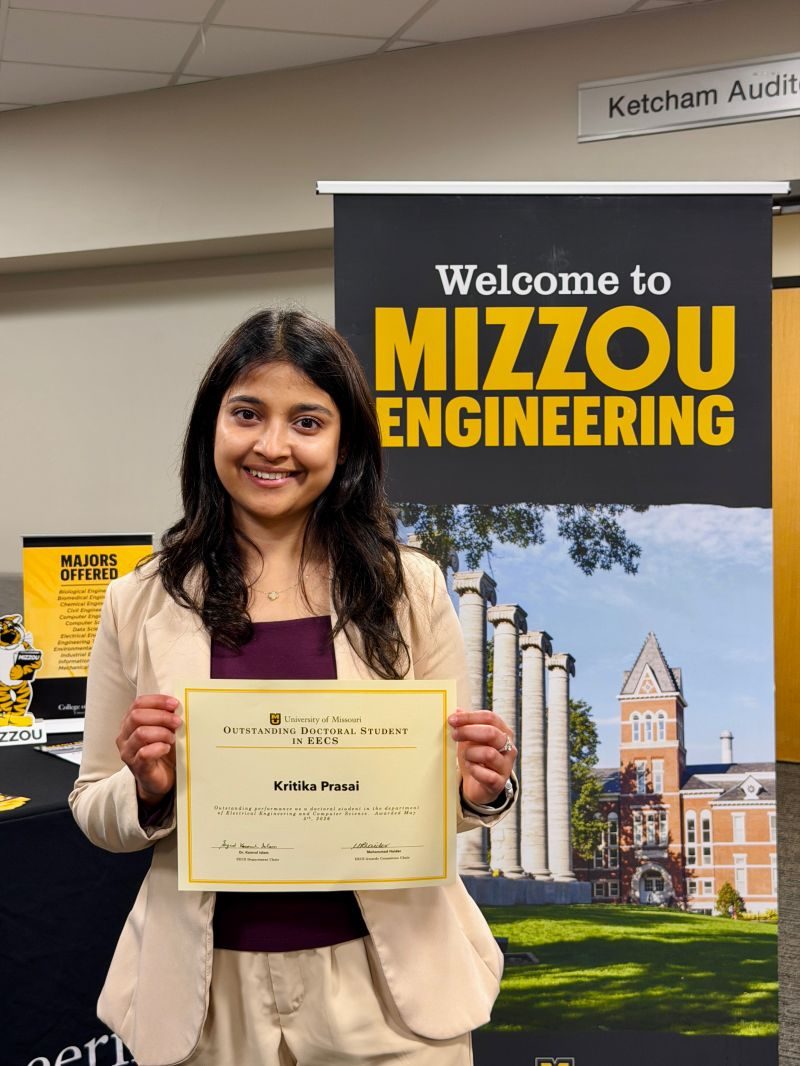
2026
EECS Department, University of Missouri
April 2026
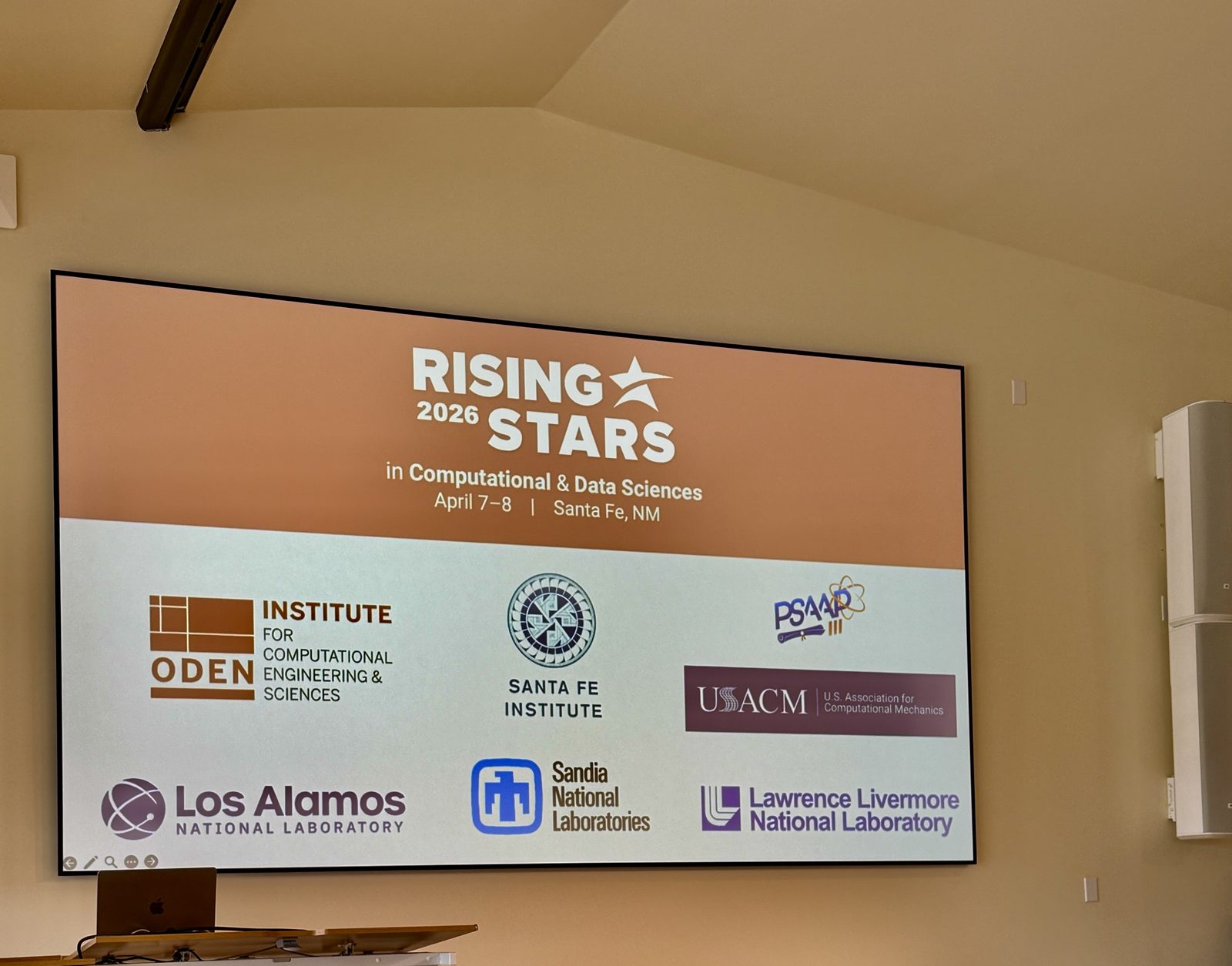
2026
Santa Fe Institute
Selected Research Talk
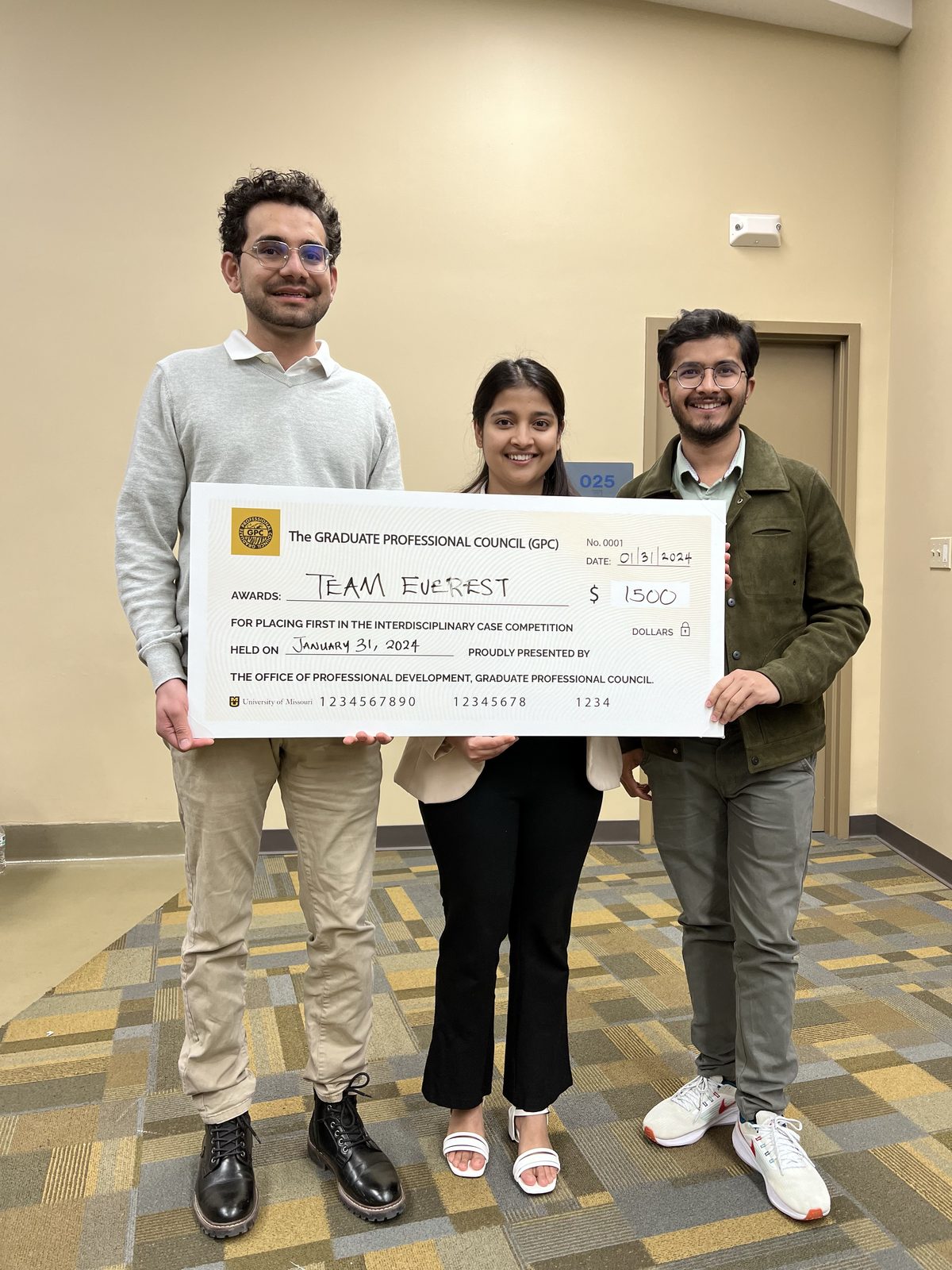
2024
Graduate Professional Council, University of Missouri
January 2024 · Team Everest
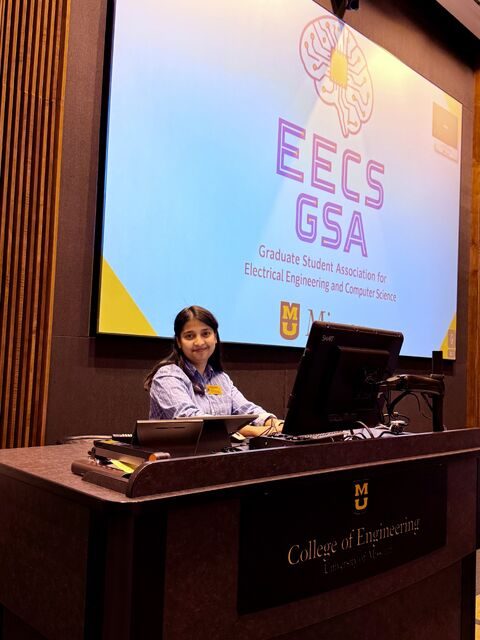
2025
University of Missouri
2025–2026
Leadership & service
University of Missouri · 2025–2026
Led the Tiger Internship Seminar, ShowMe Course Project Showcase, and a college-wide ARC-AGI hackathon.
University of Missouri · 2024–2025
University of Missouri · 2024–Present
Student affairs initiatives supporting graduate mental health and well-being.
Missouri University Nepali Student Association · 2024–2025
06 — Talks
Click any card to read what I presented.
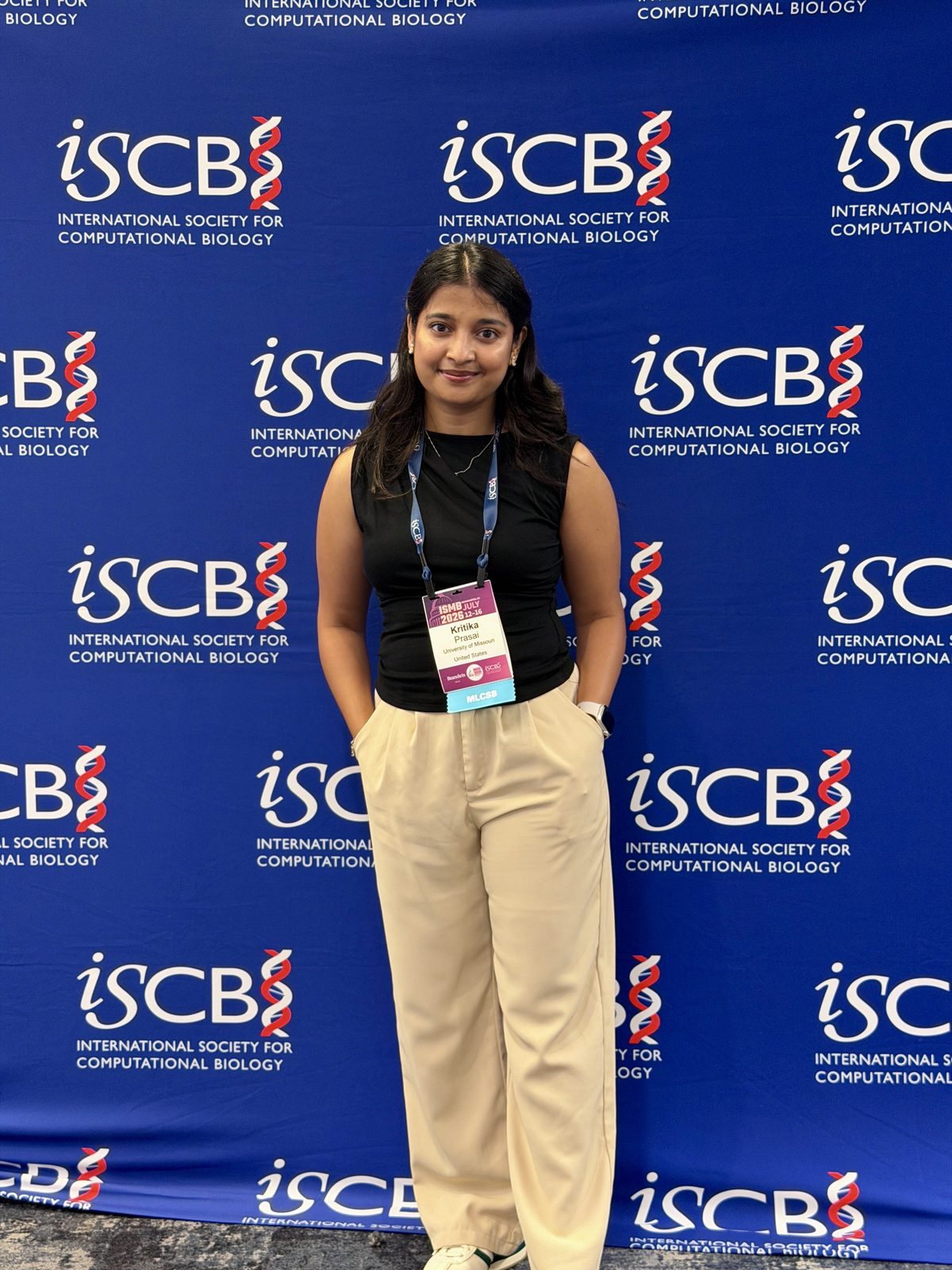
Intelligent Systems for Molecular Biology
CompatNet: predicting virus–host receptor compatibility.
Read more →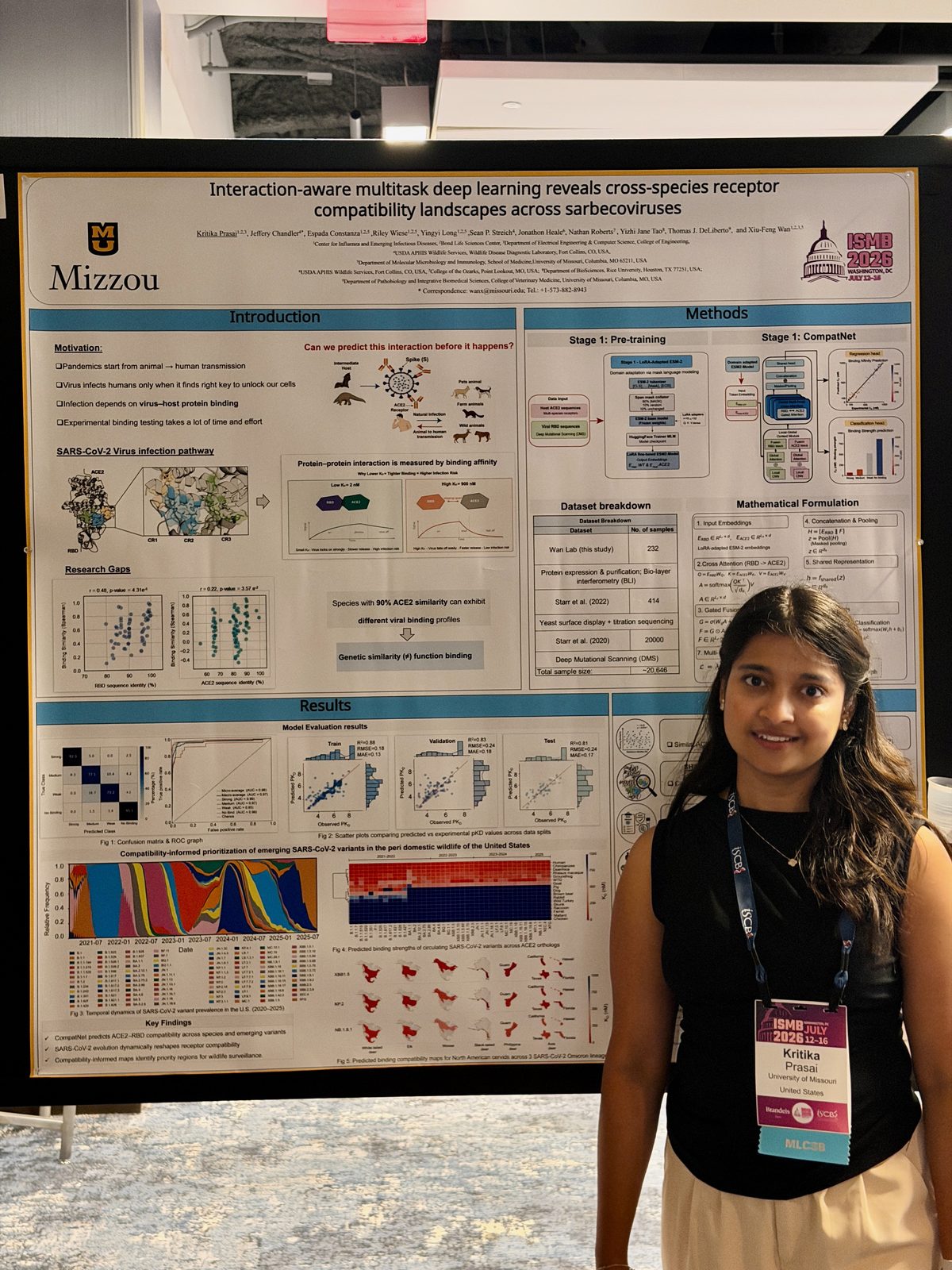
ISMB 2026
Receptor compatibility landscapes across sarbecoviruses.
Read more →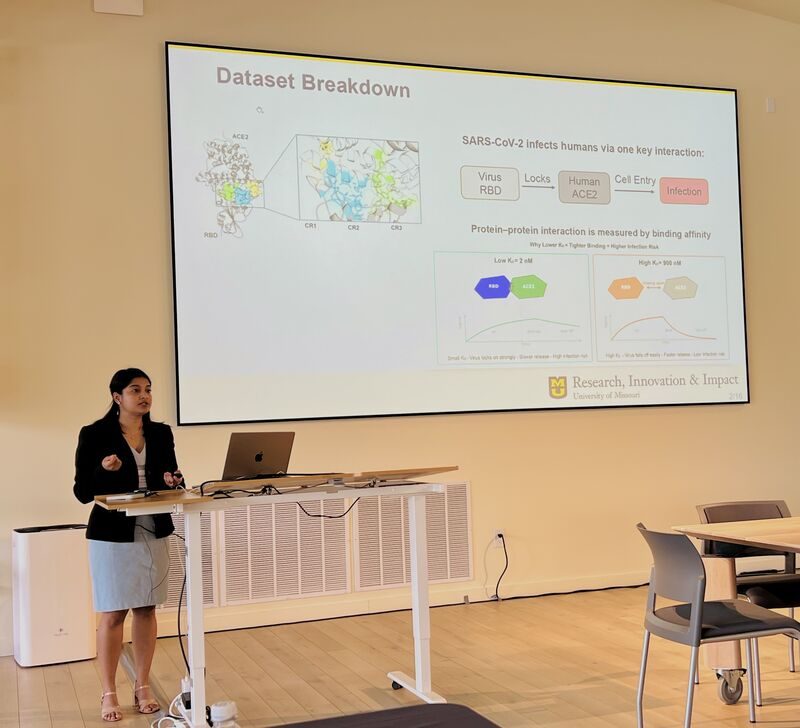
Santa Fe Institute
Predicting pandemic risk from virus–host protein interactions.
Read more →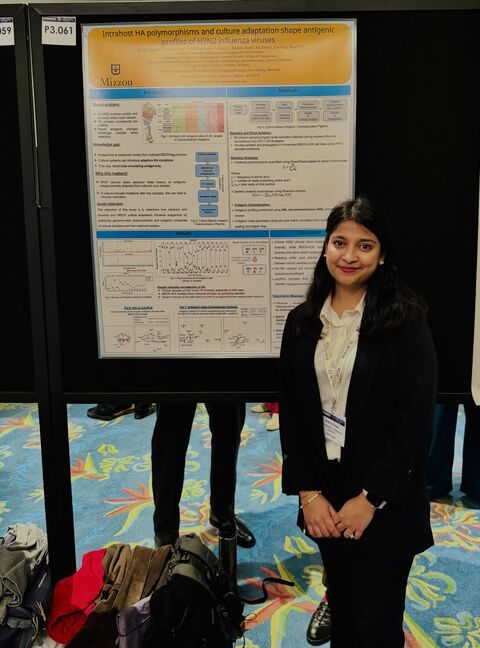
Epidemics Conference
Culture adaptation reshapes H3N2 antigenic profiles.
Read more →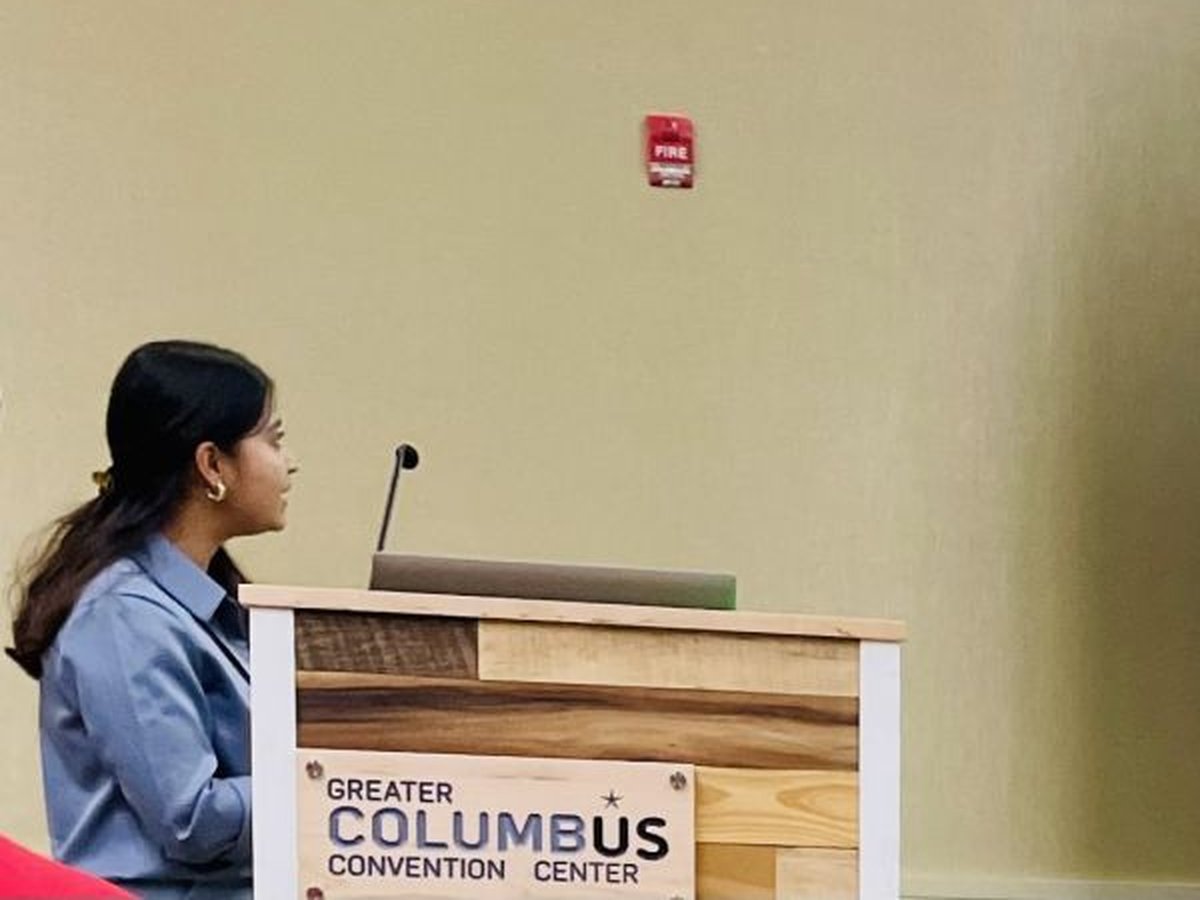
American Society for Virology
Innate immune responses to influenza A vs. influenza D.
Read more →07 — Contact
Open to research collaborations, talks, and postdoctoral opportunities in computational biology and machine learning for the life sciences.